
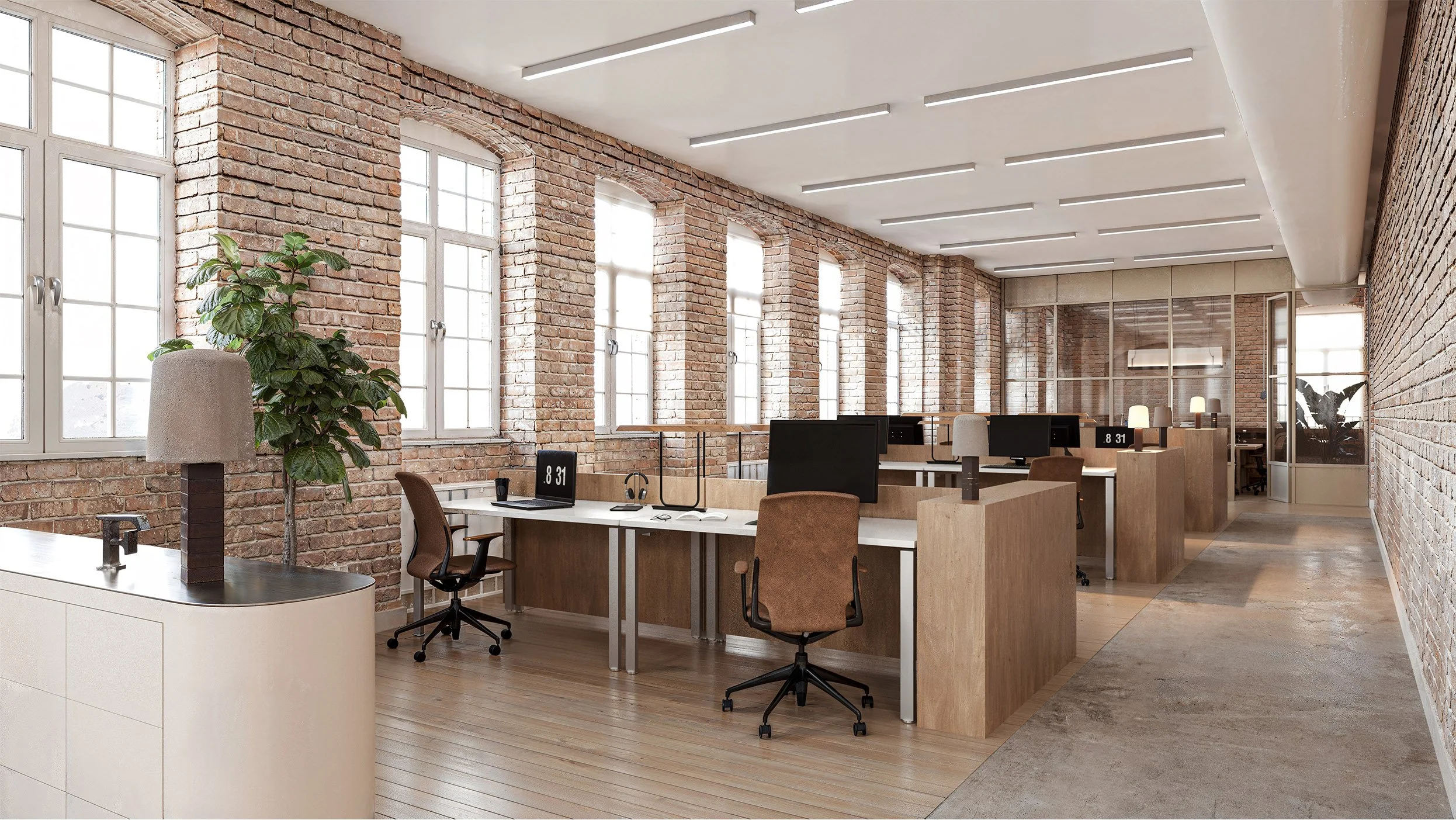
The Type Foundry
Location
London Borough of Islington
conservation area
Clerkenwell Green Conservation Area
listing
Grade II listed
construction cost
£5 M
Area
2,080 sqm (22,400 sqft) GIA
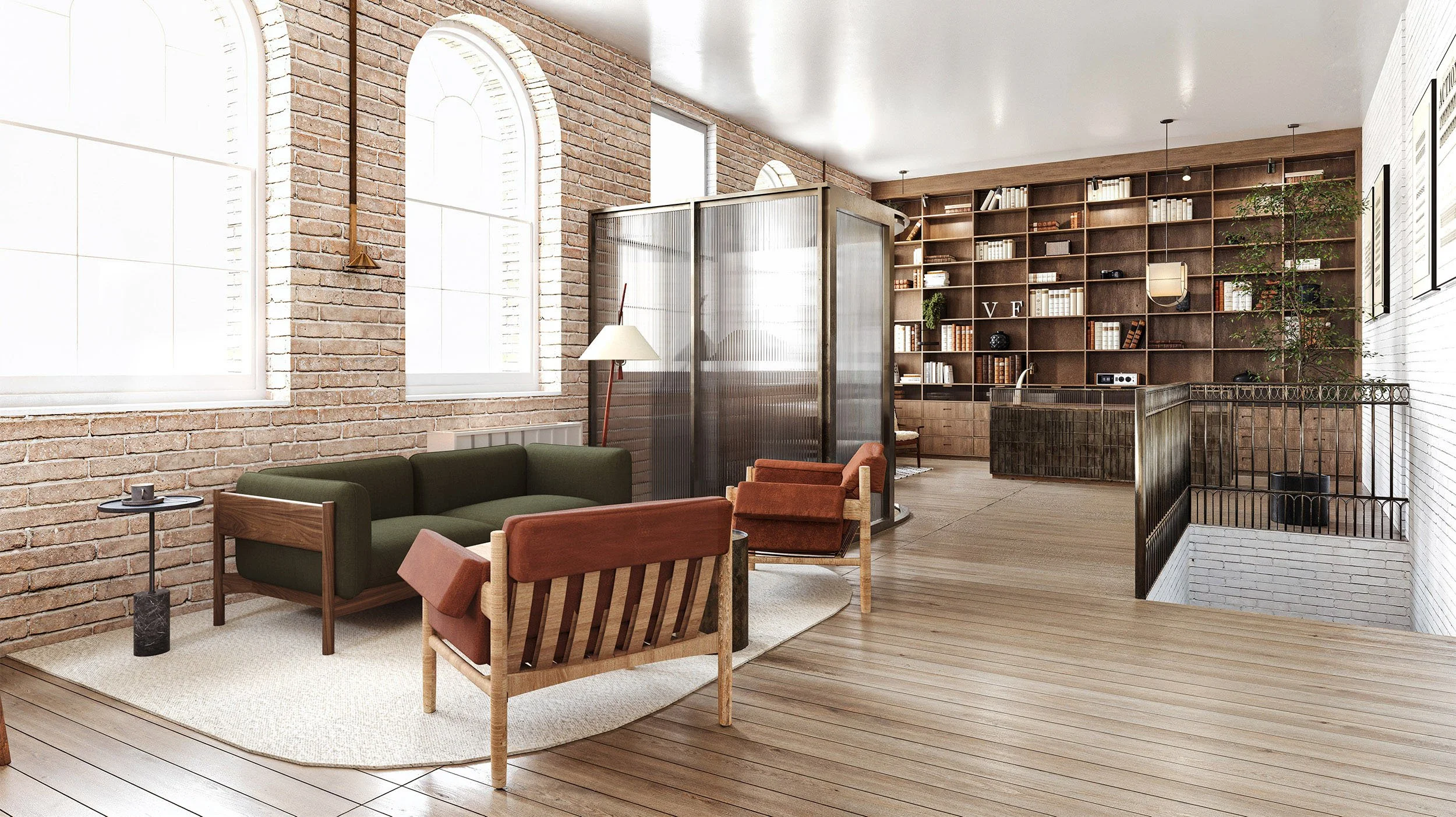
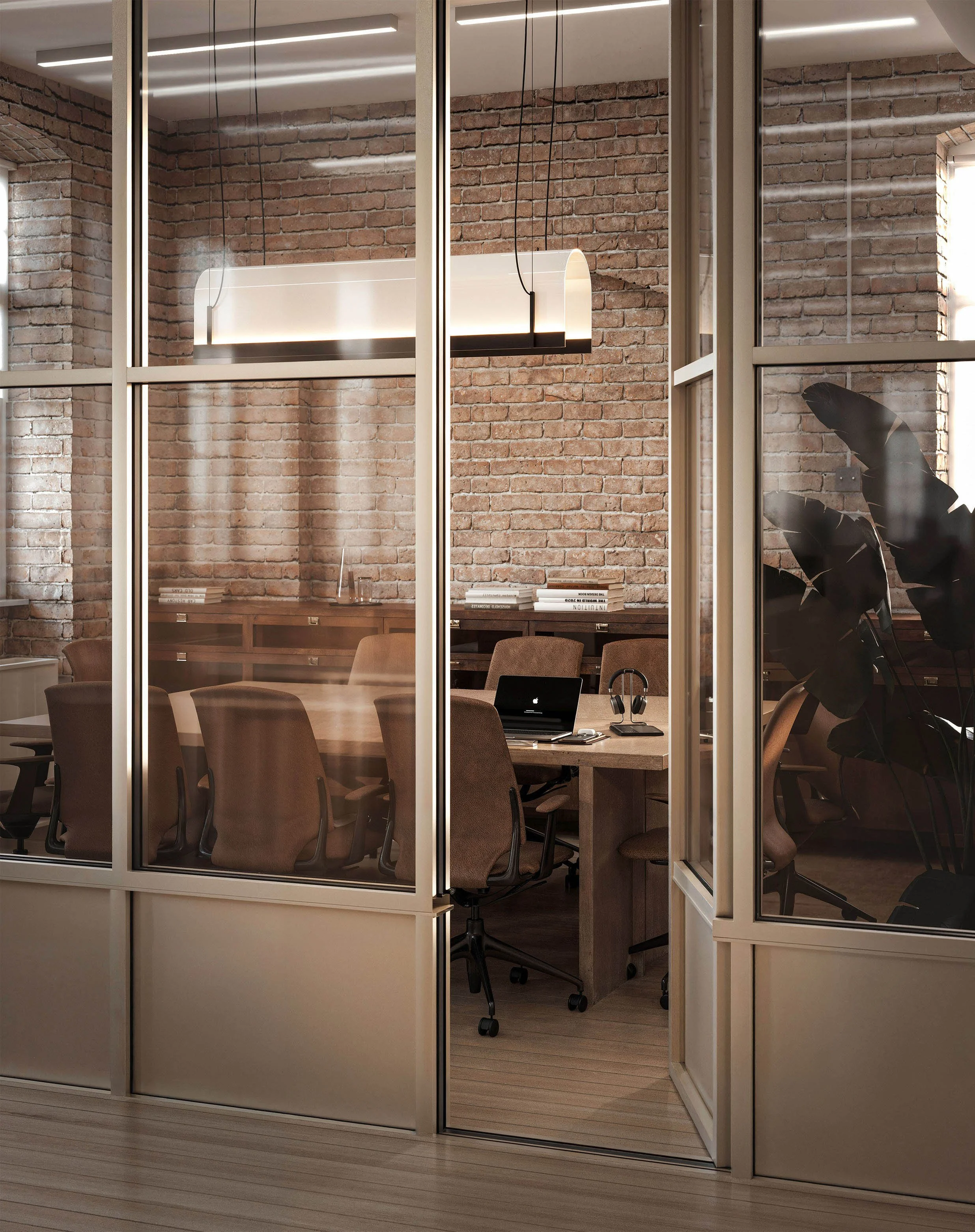
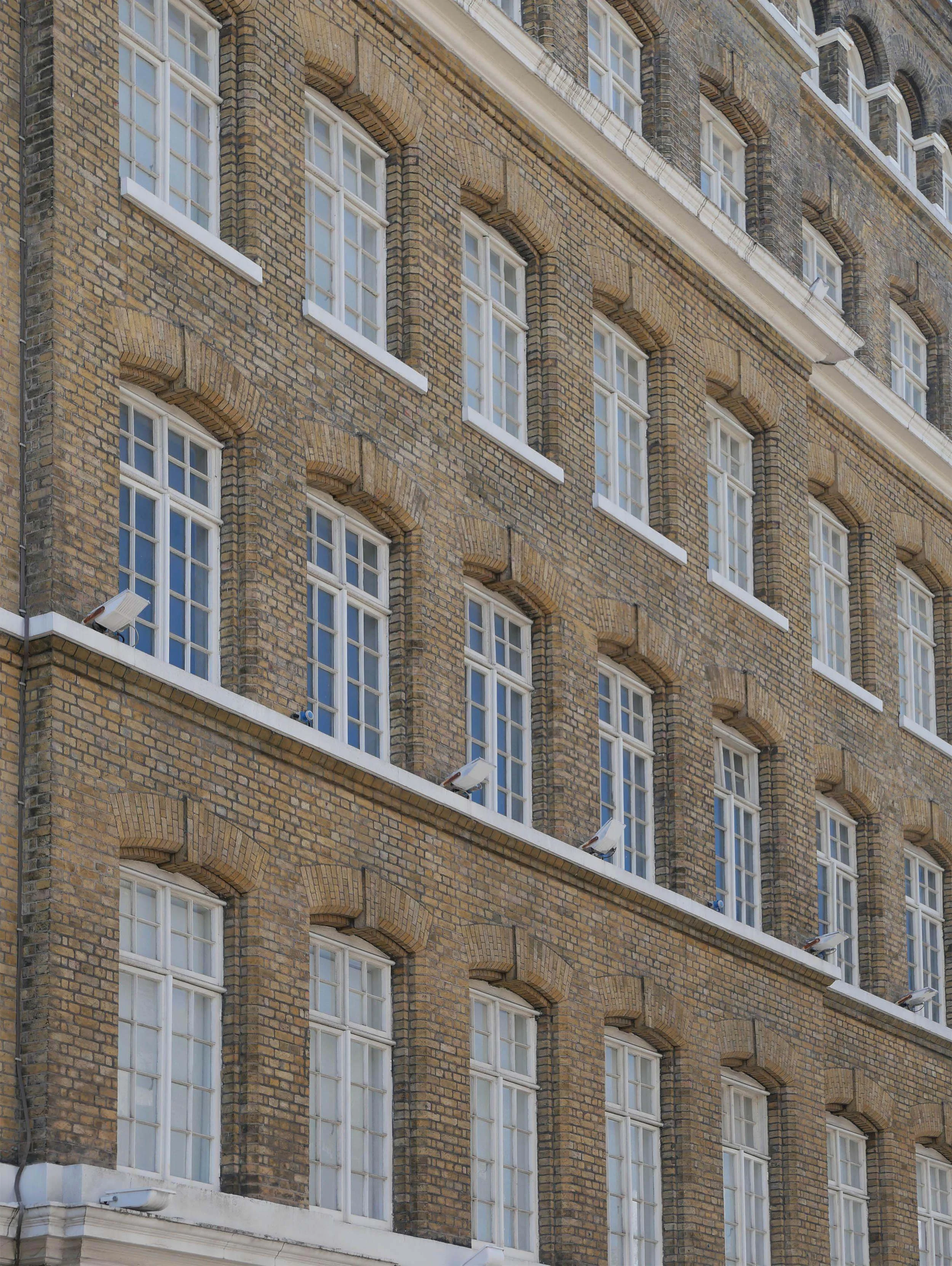
Proposals for a Grade II listed type foundry in Clerkenwell, reimagined as a thoughtful, characterful workplace with new interventions that draw design inspiration from its past use.
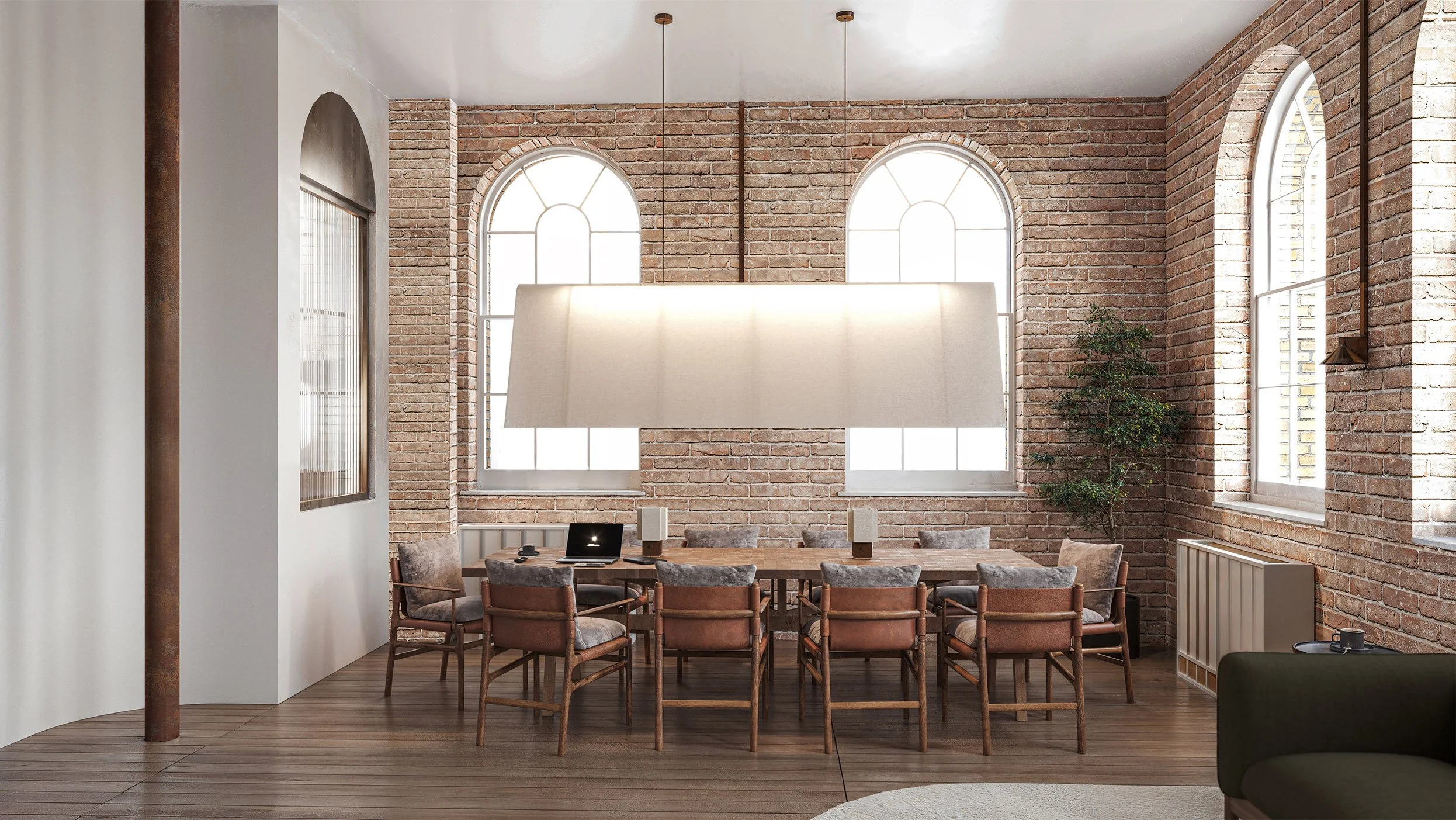
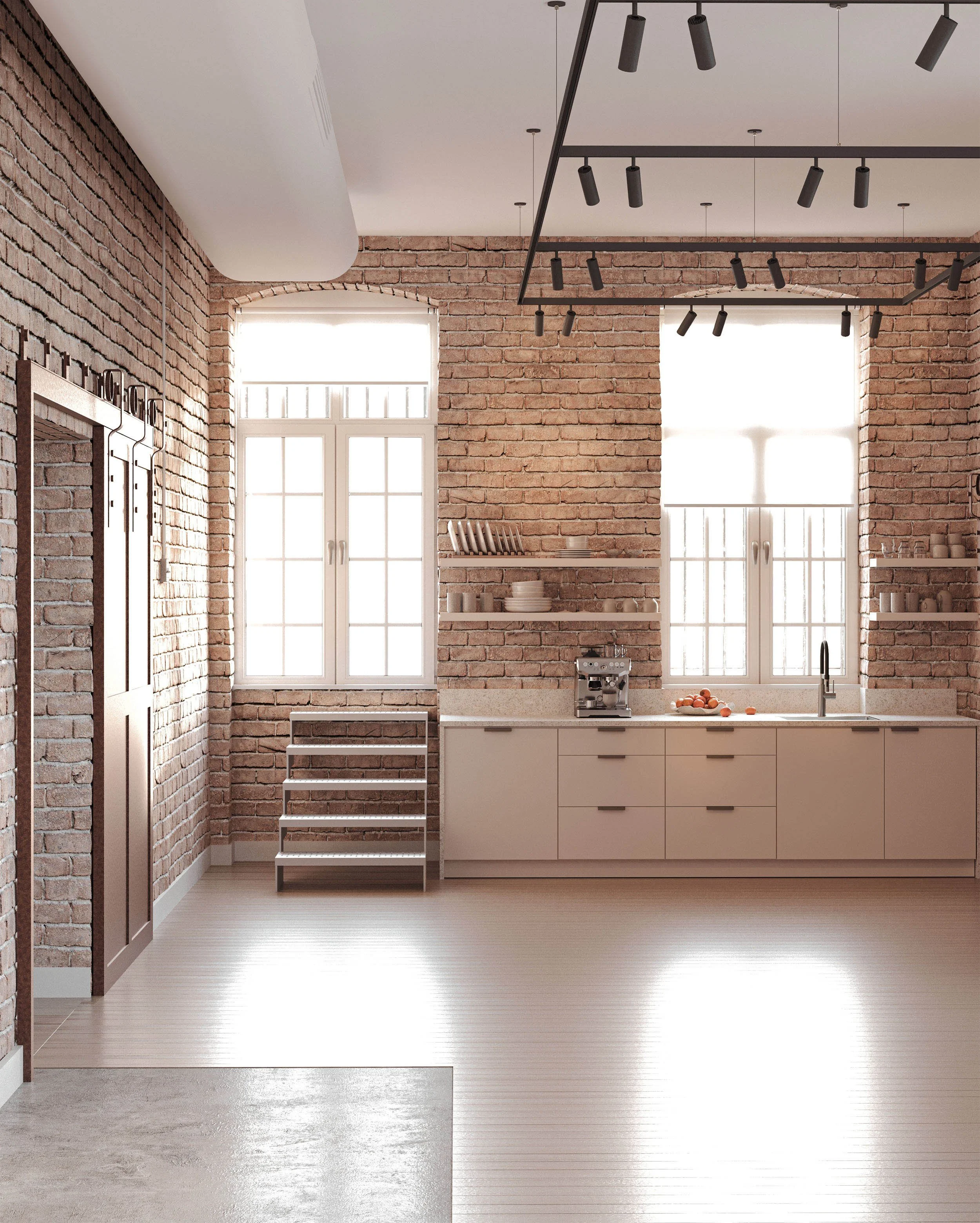
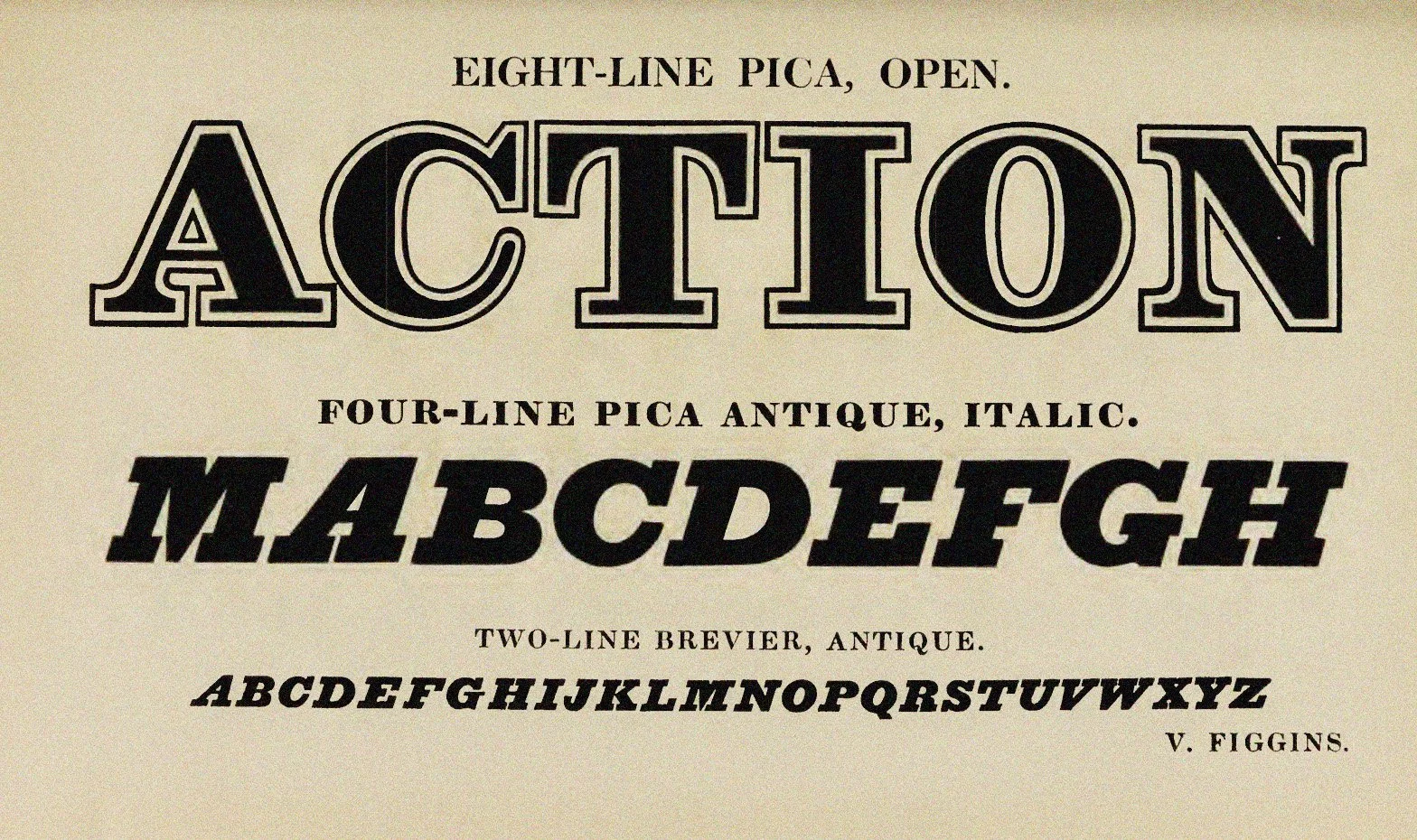
Image credit: Specimen Of Printing by Vincent Figgins, 1834.
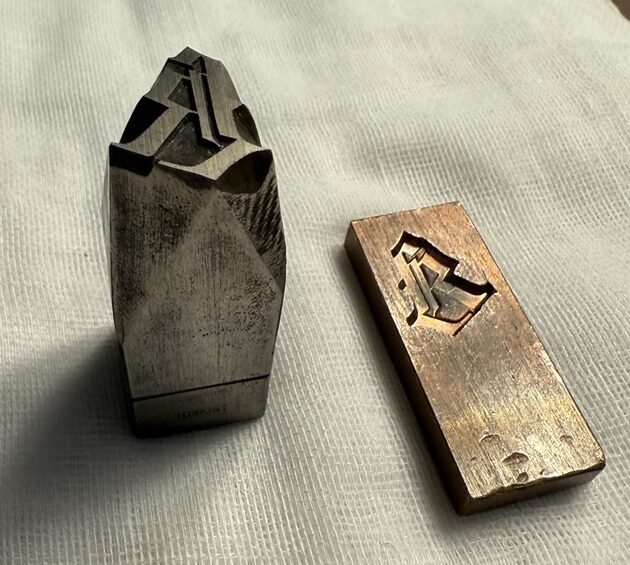
Steel Punch & Copper Matrix. Image credit: blog post by Patrick Hastings, 2024.
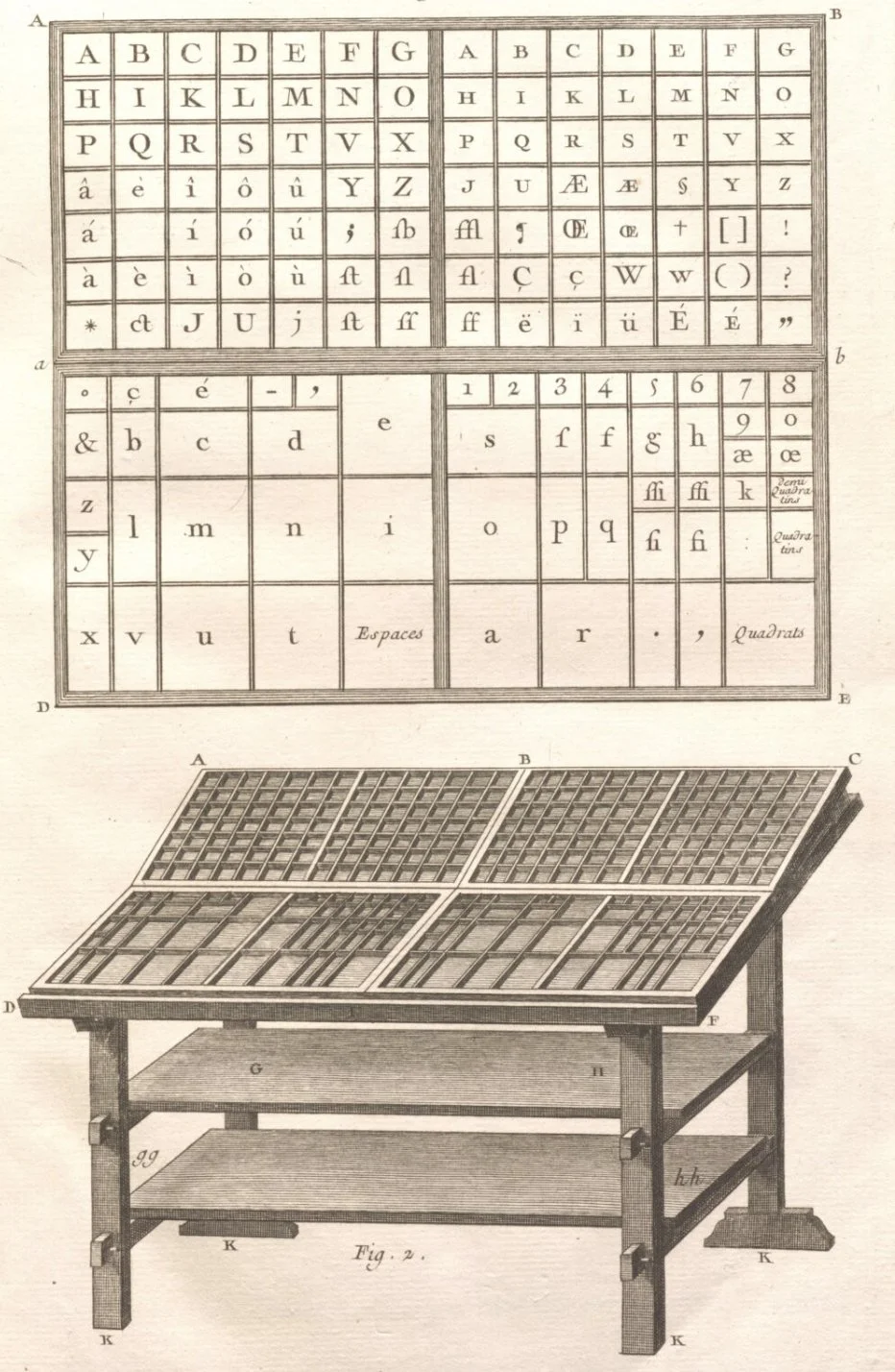
An illustration of a case of type. Image credit: The Encyclopédie, recueil des planches, v. 7, 1767. Rare Book and Special Collections Division.
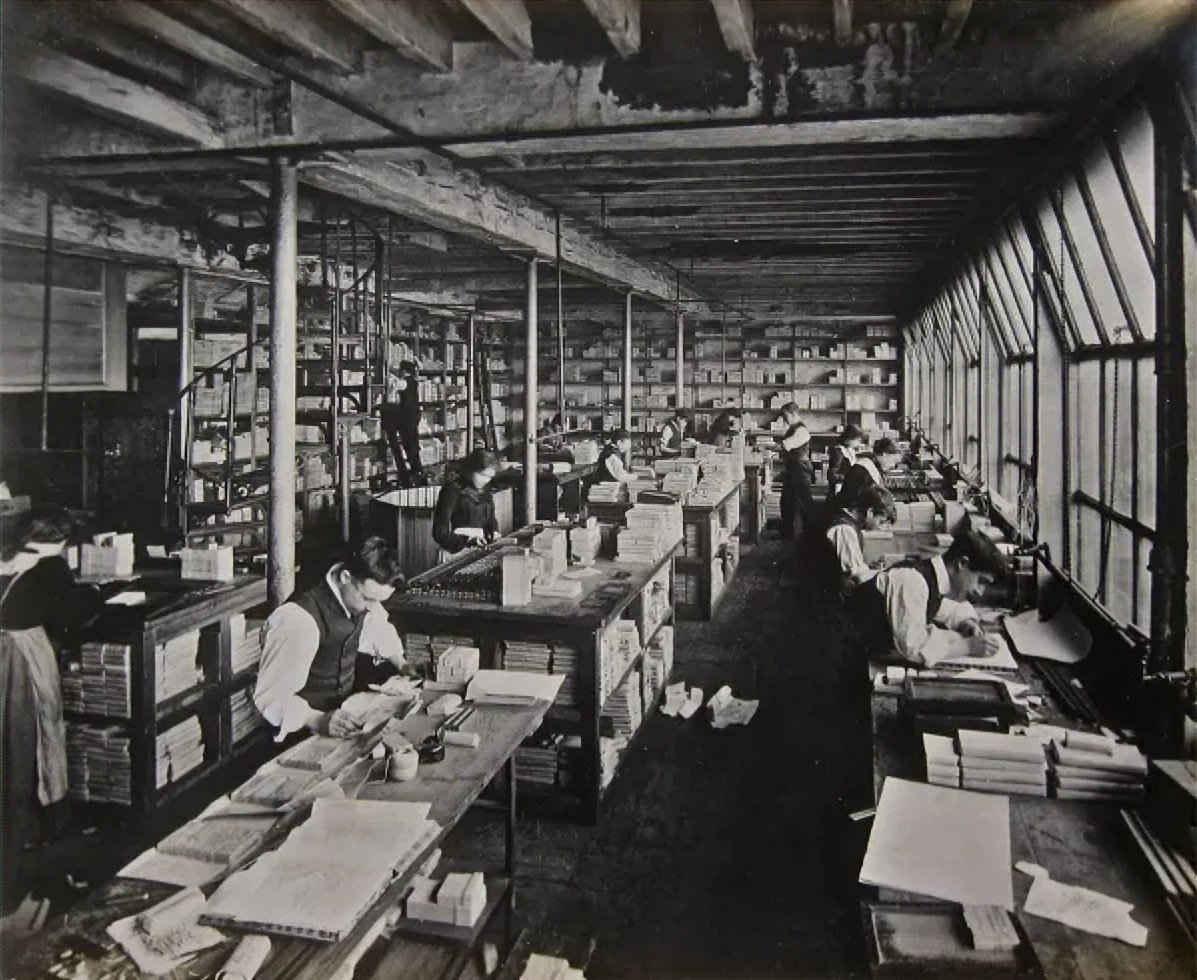
Caslon Letter Foundry in 1900. Image Credit: St Bride Printing Library.
Asset Strategy
4SA is developing proposals to reposition a five storeys plus lower ground floor Grade II listed former type foundry in Clerkenwell, London in the Borough of Islington. Updated services, including dedicated electrical distribution boards and a fibre and data backbone to each floor, are proposed to allow the building to be let floor by floor rather than as a single large tenancy to improve lettability for the owner. The scheme also responds to occupier demand for end of trip provision, with a covered store for 44 bicycles, an accessible cycle bay, showers, and a new external platform lift providing level access.
Heritage Approach
Built as a type foundry in 1865, the building's Grade II listed fabric and historic use guides every design proposal. Our approach favours restraint over embellishment, letting the building fabric speak for itself rather than adding costly finishes: original brickwork will be revealed through sandblasting, and the historic sliding metal doors will be stripped back and restored. New additions take their cues from the historic building use as a type foundry. An aged copper reception desk takes its cladding pattern from the letter trays once used to hold type, with its material linked to the site's mould and stamp making processes. Internal guarding reinterprets the original external cast iron railings, complete with the founders' initials. In the reception area, a touch down collaboration table in end grain wood block draws on the building's remarkable existing mosaic wood block stair treads.
Sustainability
Proposals put active travel at the centre of the workplace experience, with extensive cycle provision and shower facilities designed to support cyclists and other sustainable commuters. Building services are planned around a floor by floor VRF system, supporting an efficient, electrically led approach to heating and cooling across the building.