
4 Top Tips: How Do I Make Changes to a Listed Building and Secure Listed Building Consent?
Any works that affect the character of a listed building, whether Grade I, II or II*, will usually need Listed Building Consent. This applies to interiors as much as exteriors, and to commercial premises as much as private homes. A small number of exceptions exist, such as like for like repairs and alterations to later, non original fabric of no historic merit. Because carrying out unauthorised works is a criminal offence under Section 9 of the Planning (Listed Buildings and Conservation Areas) Act 1990, it is always worth checking with your local planning authority, or with a conservation architect, before any work begins.
Liability also stays with the building rather than the person, so a future owner can inherit responsibility for unauthorised works carried out by someone else. Getting the approach right at the outset protects the building, the programme and the value of the asset.
We are a RIBA chartered practice with an accredited Conservation Architect on the RIBA Conservation Register. Below are our four top tips for giving a proposal the best chance of consent, drawn from our work on listed commercial buildings across central London.
1) Establish the building’s heritage significance and explain it to the council
Significance is the starting point for every listed building application. It may be aesthetic, historic, evidential, communal, or a combination of these, and it is established through research and a clear understanding of the building and its setting. Setting it out plainly tells the council what matters and why, which allows a measured conversation about what can change.
At our Grosvenor Place project, part of the heritage significance lies in the detailed street facing façade, a fine example of French Renaissance architecture in London that makes a positive contribution to the streetscape and the Conservation Area. The later refurbished interior on the second floor, where little historic fabric survives, carries far less significance. In a private home, significance might instead sit in an original staircase, historic joinery, or a decorative plaster ceiling. Whatever the building, we capture this in a concise Heritage Statement that the council can refer to when assessing the proposal.
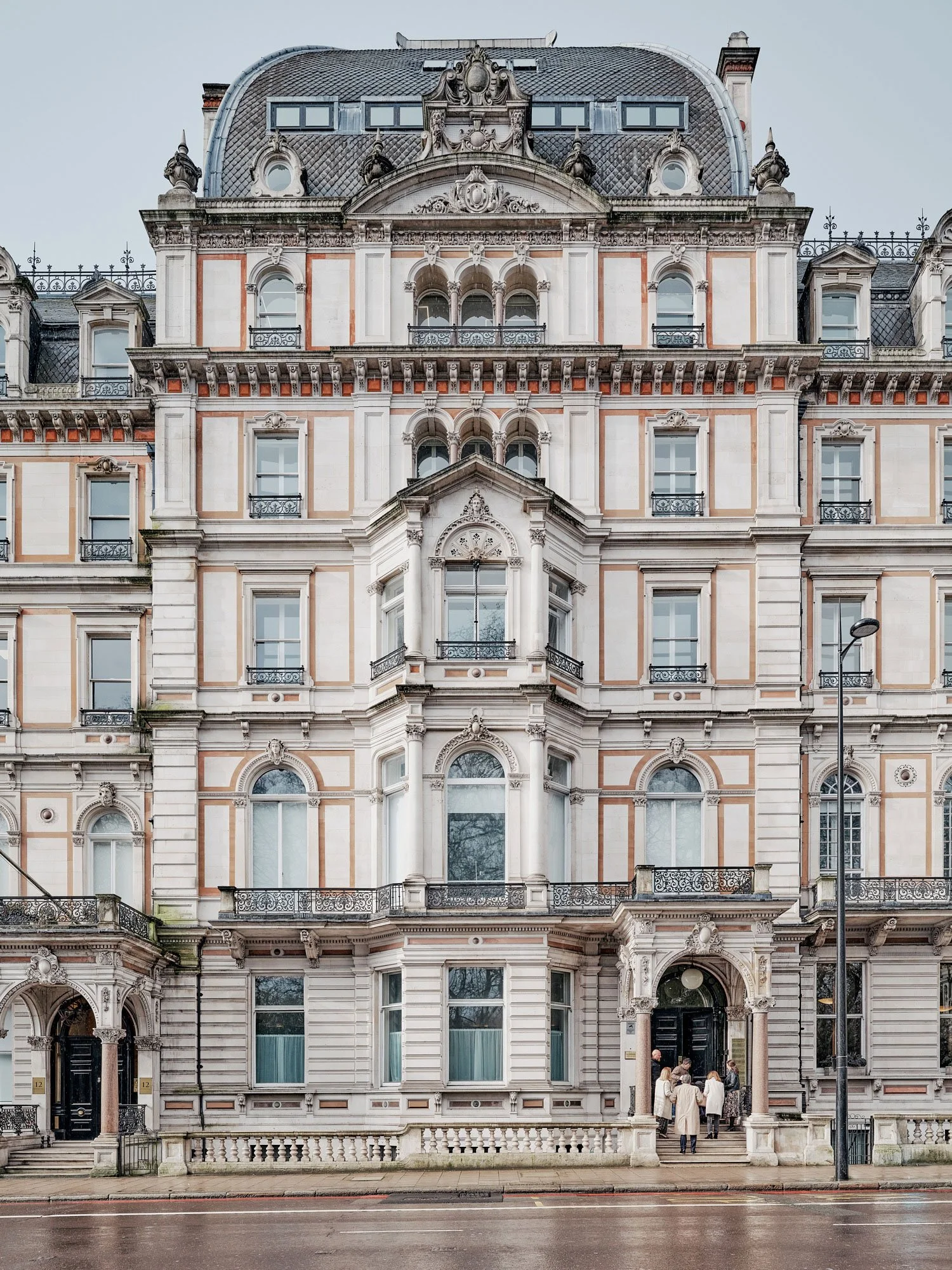
Grosvenor Place, where we secured Listed Building Consent for our interior refurbishment proposals.
2) Make your proposals sustainable while protecting what gives the building its significance
Most councils support proposals that reduce energy use and keep a heritage asset in active use, so that it stays relevant for modern living and working, even where this involves some limited change to fabric. The balance to strike is that improvements must not erode the elements that carry the building’s significance.
New service voids for efficient building services, for example, can often be concealed behind new suspended ceilings when they sit in areas of lower significance such as WCs, kitchens and hallways, provided any original cornicing or ceiling detail is retained intact above for future generations. This was our approach in our refurbishment at our Grosvenor Place project. This kind of judgement is easier to get right with a conservation architect involved from the start.
3) Where original fabric cannot stay in use, consider a protect and conceal approach
Sometimes original fabric cannot be kept in service. At our project on Pall Mall, the original floor was in poor condition, having been damaged by later additions. An exact stone match to repair it was cost prohibitive, and the floor no longer met current slip resistance standards for a commercial reception. Rather than remove it, we documented the existing condition in full, laid a separating layer, and covered it with new tiles that echoed but did not copy the original pattern. This preserved a shadow of the original design and kept the historic fabric intact beneath, ready to be revealed again in future.
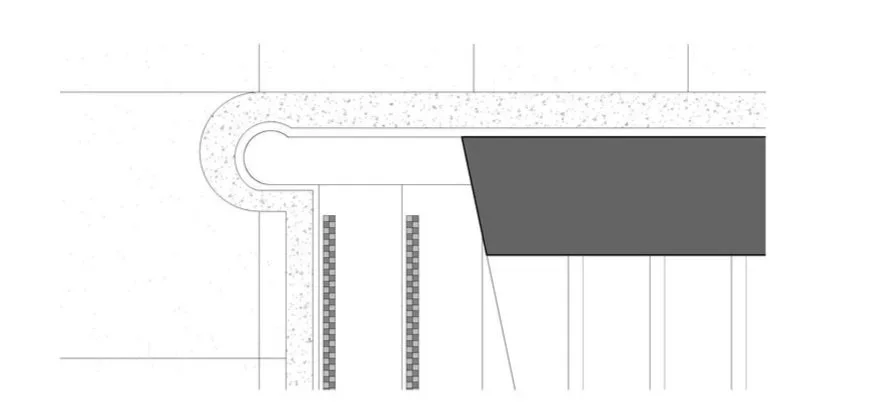
Documentation of the existing floor condition at the foot of the staircase.
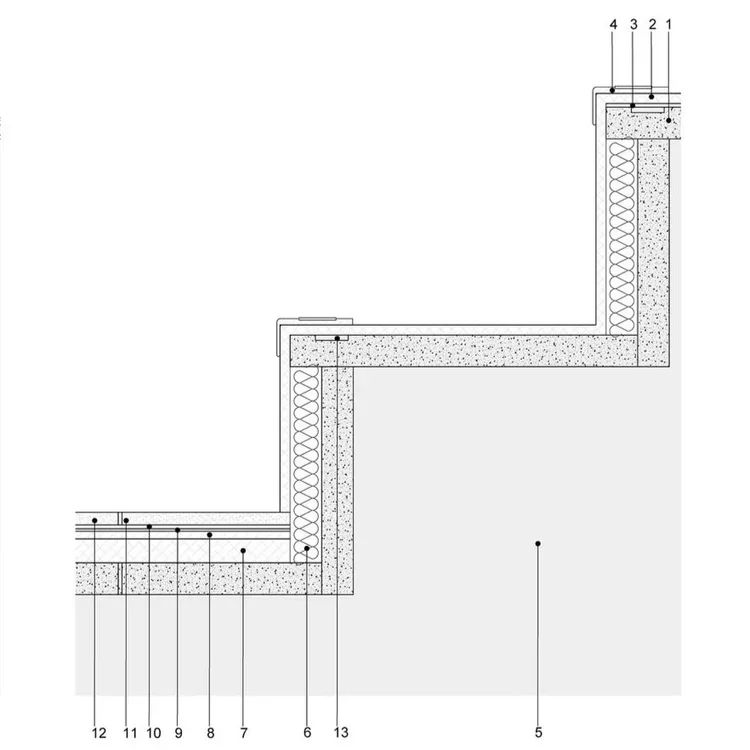
The proposed protective floor build up on the staircase and ground floor reception, beneath the new finishes.
4) Where loss is unavoidable, offset it elsewhere and keep removed fabric on site
Where some harm cannot be avoided, it can often be offset by improvements elsewhere. Restoring damaged stonework, or uncovering original cornices hidden behind later suspended ceilings, can balance the harm caused by installing modern services. At our Grade II listed Grosvenor Place project, chasing into floorboards of low significance to route power and data was offset against restoring the timber panelling in the street facing conference room.
It is always better to keep original fabric in place, but where this is not possible, removed items should be retained on site and re-purposed rather than discarded. Historic light fittings that no longer meet current efficiency or output needs, for example, can be carefully removed and stored on site, so that future generations inherit them with the building.
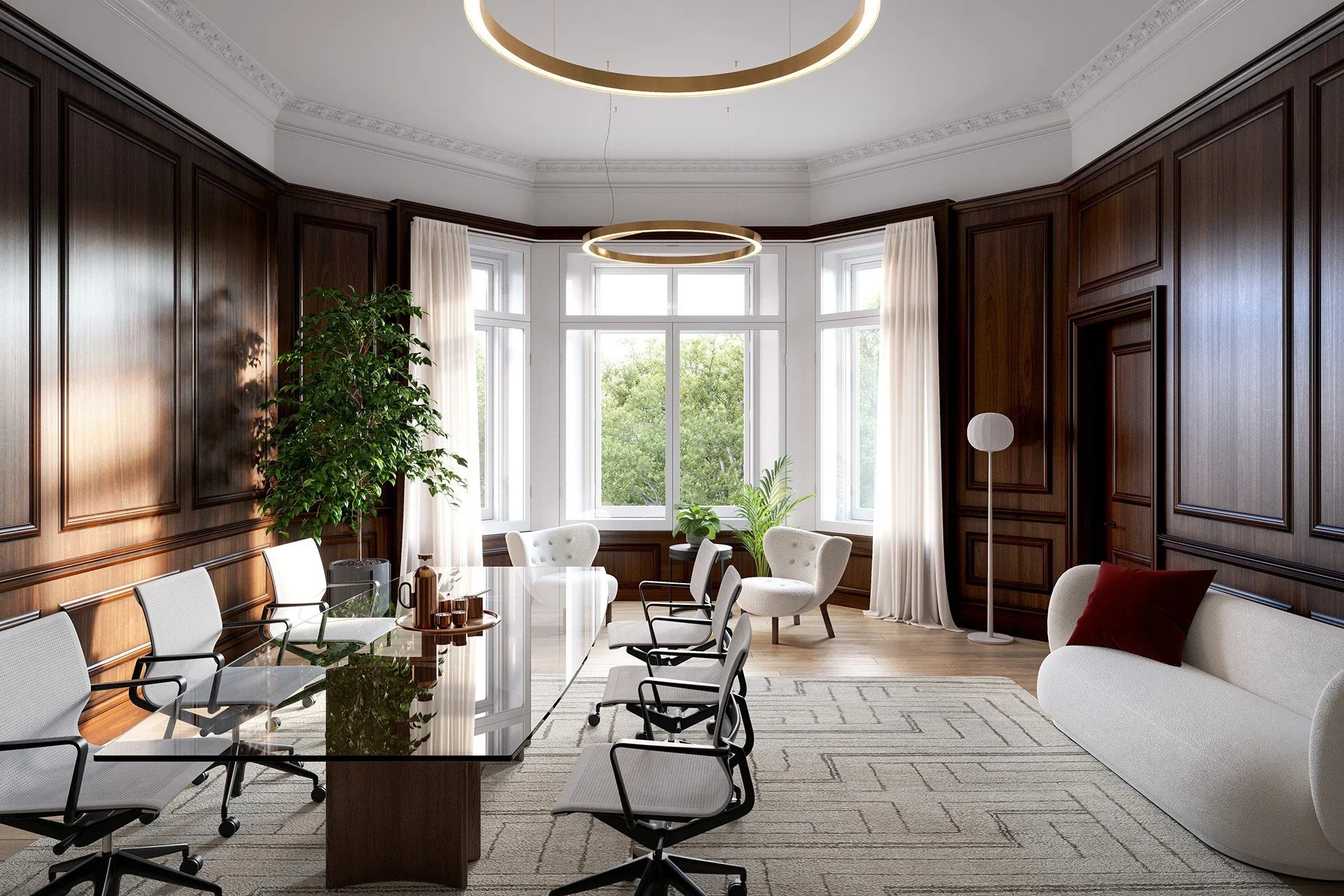
Our approved proposals to restore the timber panelling in the street facing conference room at Grosvenor Place.
Frequently Asked Questions
Do I need Listed Building Consent for internal changes?
Often, yes. Consent is required for any works that affect the character of the building as one of special architectural or historic interest, and this includes interiors. Staircases, historic plasterwork, panelling, fireplaces and windows are frequently protected, even where they are not visible from the street.
Is it a criminal offence to alter a listed building without consent?
Yes. Carrying out unauthorised works to a listed building is a criminal offence under Section 9 of the Planning (Listed Buildings and Conservation Areas) Act 1990. The offence carries strict liability, which means intent does not have to be proven, and both the owner and the contractor can be prosecuted.
Does unauthorised work become a problem when I sell?
It can. Liability for unauthorised works stays with the building, so a buyer can inherit responsibility for changes made by a previous owner. This is one reason listed building alterations are scrutinised during conveyancing.
Can I improve the energy efficiency of a listed building?
In most cases, yes, and councils generally welcome it. The key is to target improvements at areas of lower significance and to avoid harming the features that make the building special. A fabric first approach, sensitively applied, usually offers the best route.
How long does Listed Building Consent take?
The statutory determination period is eight weeks, but this runs from validation, and an application typically takes a further two to three weeks to be validated after submission. Complex heritage cases often run beyond eight weeks when councils are busy, so it is sensible to allow sufficient time in your programme. Early engagement and a clear Heritage Statement help keep the process moving.
Do I need a conservation architect?
It is not a legal requirement, but it is strongly advisable. A conservation architect accredited on the RIBA Conservation Register is trained to identify significance correctly, frame the heritage argument the council needs to see, and design changes that respect the building while meeting modern needs. This reduces the risk of refusal, delay and enforcement, and it sits at the centre of how we work.
Planning changes to a listed building?
Whether you are refurbishing a listed home or upgrading a commercial building to attract tenants and protect its value, early conservation advice reduces the risk of refusal and delay, and often improves the outcome. Honouring the past while designing for the future is at the core of how we work. If you are planning changes to a listed property, get in touch.
To see other listed buildings we have worked on, view our Grade I listed Ulster Terrace project on Regent’s Park and our Grade II listed Piccadilly project in Mayfair.