
Securing Consent in the Sunnyhill Road Conservation Area: What a previous refusal taught us about getting heritage right from the start
When a homeowner in the Sunnyhill Road Conservation Area in Streatham came to us, they had already been through a planning refusal. Another practice had designed a wrap-around extension that the London Borough of Lambeth had refused. The clients needed a fresh start, with a practice that understood Conservation Areas from the inside out.
That is the kind of brief we welcome.
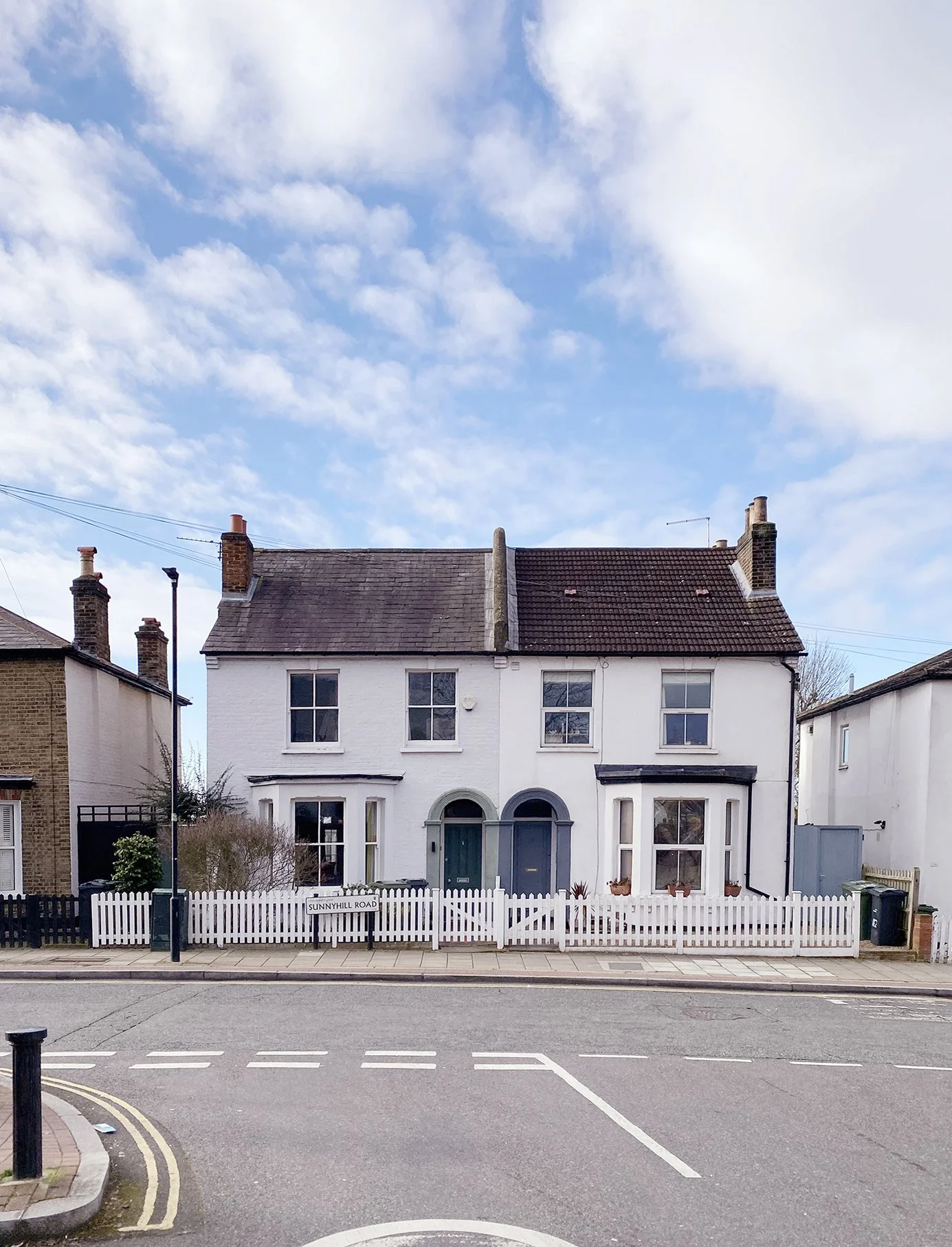
Street view of Project. Image credit: 4SA
The Sunnyhill Road Conservation Area is specific about what makes it special: modest Victorian brick properties, consistent building lines, and the careful relationship between each property and the street. Any extension proposal here has to demonstrate that it preserves or enhances the character and appearance of the Conservation Area. A previous scheme had failed to make that case convincingly, and we started by going back to first principles.
Our conservation architect undertook a formal assessment of the property's significance. The front elevation made a genuine positive contribution to the streetscene. The rear was a different story entirely. Covered in badly patched pebbledash and fitted with a poor quality uPVC conservatory dating from the 1980s, it was however invisible from any public road or footpath within the Conservation Area, and contributed little to its character.
By demonstrating through a visibility study and a thorough heritage argument that the proposed extension would cause no harm to the character or appearance of the Conservation Area, we were able to make the case for a design that was genuinely contemporary. Not a timid concession to the planning process, but a considered, high quality piece of architecture that responded directly to the building's own history. The subtle curve of the extension references the elegant arched entrance of the original Victorian front door. The pale buff brick picks up the tone of the original London Stock brick visible on the side gable. The metal frame sliding doors and windows are high quality and low maintenance, honest about being contemporary rather than pretending to be historic.
Through careful spatial analysis at Stage 1, we also identified that the client's brief could be fully met with a smaller footprint than the previous refused scheme had proposed. That meant a lower build cost and more budget directed towards higher quality finishes throughout. The prior refusal gave us a clear picture of the Local Planning Authority's position, saving time on a pre-application submission and allowing us to focus on building a robust heritage argument and a design we were confident in. Consent was granted.
The finished kitchen is 50% larger than before, flooded with light through circular rooflights, and opens directly to the garden through the large sliding door. The clients describe it as transformative. We would describe it as what happens when heritage knowledge is applied from day one rather than added at the end.
If you own a property in a Conservation Area and have been told that what you want is not possible, or if a previous application has been refused, we would encourage you to speak to us. Understanding what a building genuinely contributes to its Conservation Area, and what it does not, is often where the real design opportunity lies.
We respect the past, but design for the future.