
Enlightenment in Edinburgh: 4SA at the BCO Annual Conference 2026
This June the British Council for Offices returned to Scotland for the first time since 2009, taking its 2026 Annual Conference to Edinburgh and Glasgow under the banner of a Festival of Enlightenment, a nod to the city that was one of the intellectual engines of the European Enlightenment. The conference set its two days of plenaries, tours and workshops against that backdrop of eighteenth and nineteenth century invention in architecture, science, philosophy and economics. For a practice whose work sits at the meeting point of heritage and the modern workplace, it was a fitting place to spend a couple of days. For us, the most interesting workplace thinking showcased this year was happening inside buildings that were never designed to be offices at all.
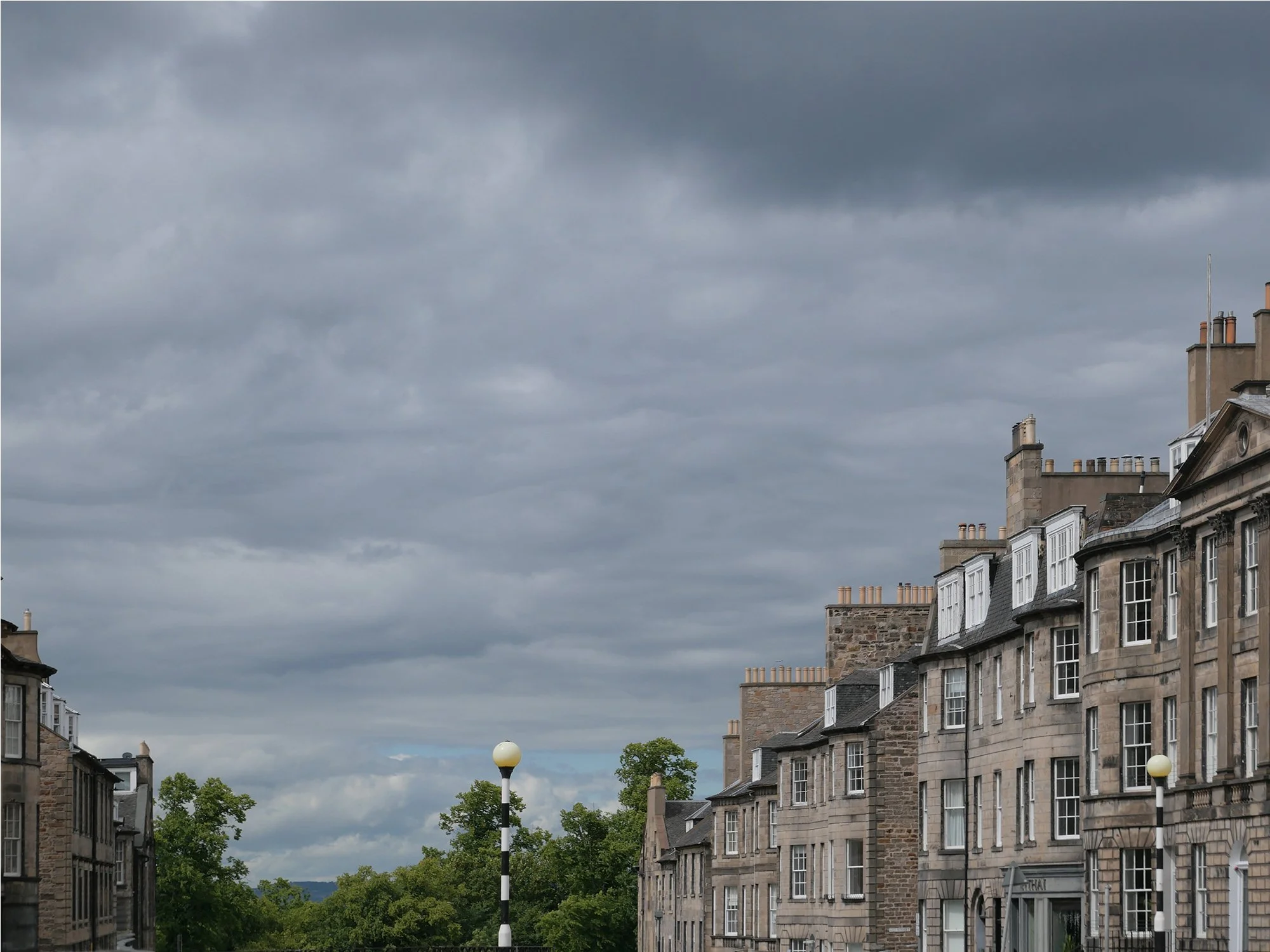
Image Credit for all images: 4SA
We came away with three things worth sharing: a tour of a hospital reborn as a university, a walk through the Georgian heart of the New Town, and a workshop that quietly reframed how we think about wellbeing at work.
A hospital reborn: the Edinburgh Futures Institute
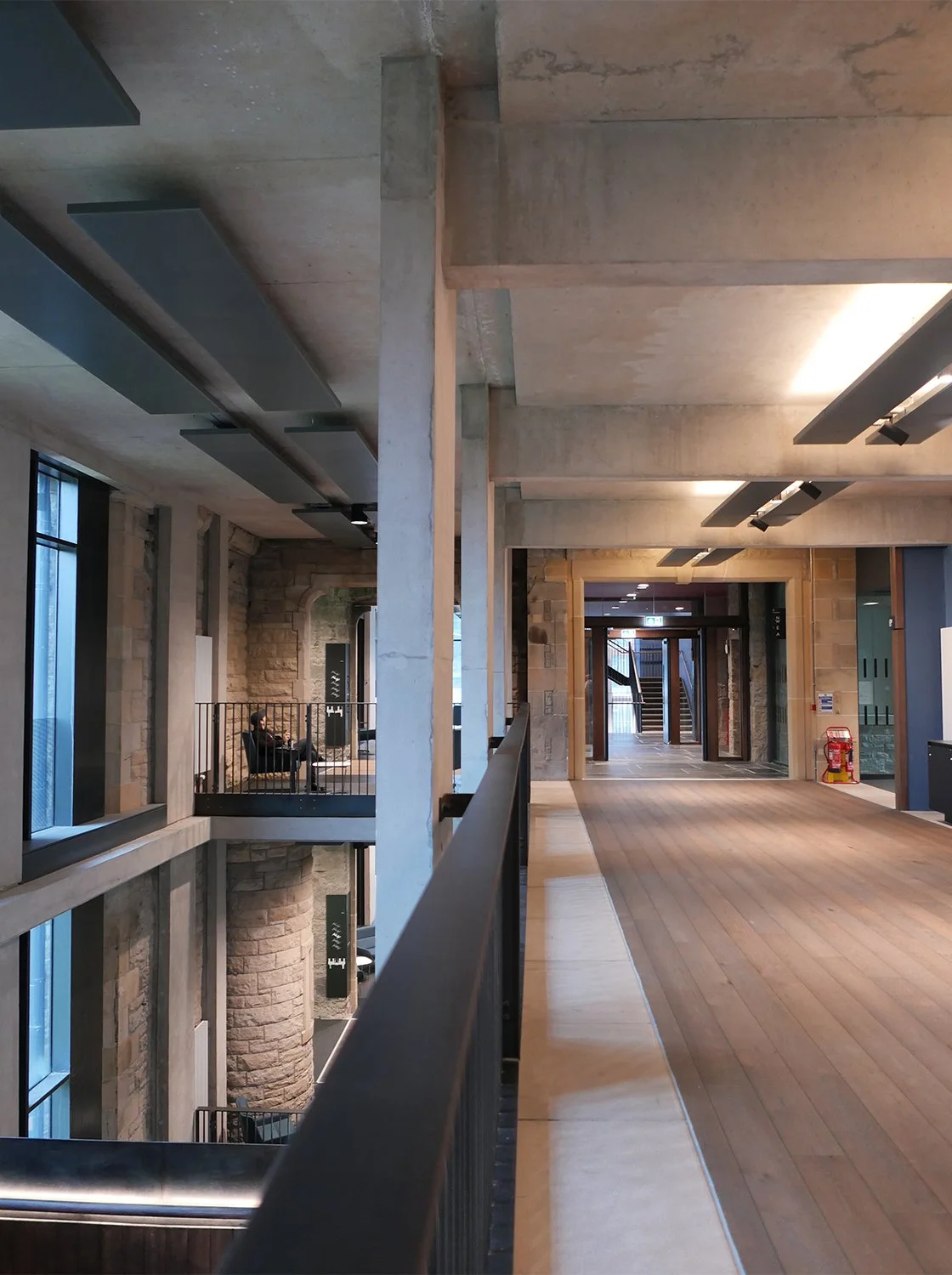
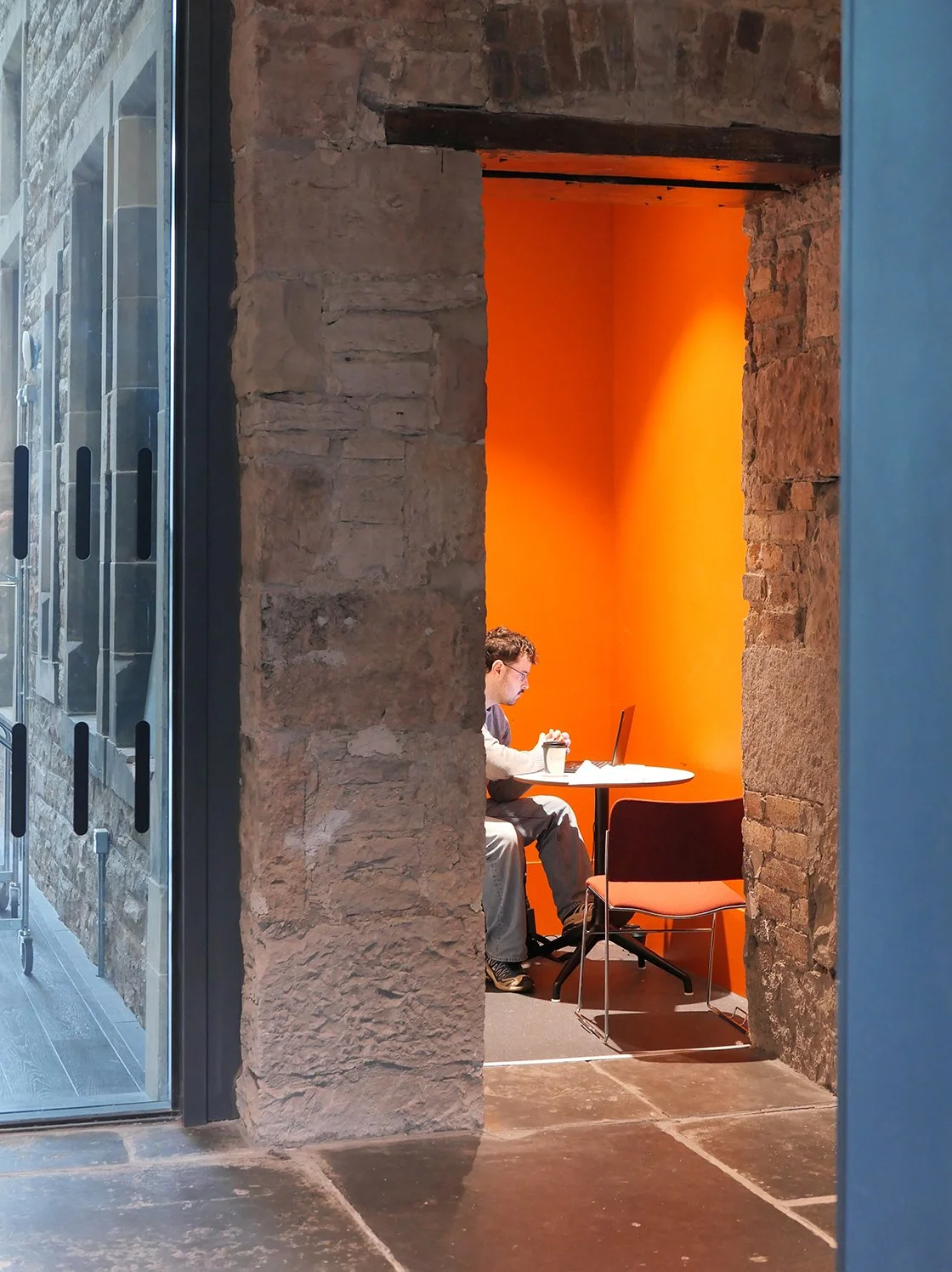
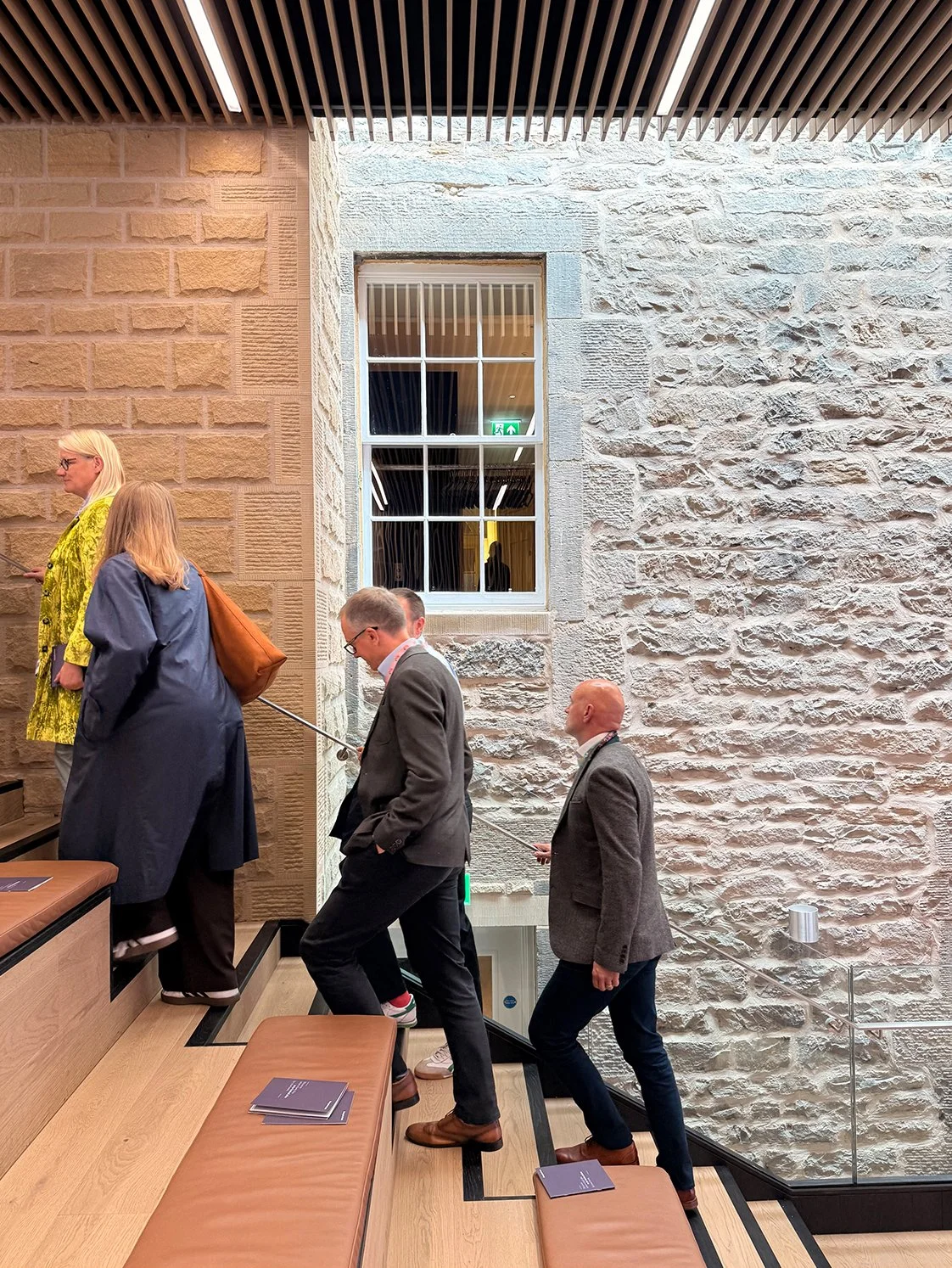
The first tour took us through the Edinburgh Futures Institute, winner of a 2025 BCO National Award and led on the day by Rab Bennetts, founder of Bennetts Associates and the architect behind its conversion. The building began life in 1879 as part of the old Royal Infirmary of Edinburgh, a Category A listed, designed by David Bryce. The University of Edinburgh bought it in 2015 after years of dereliction, and the project that followed removed decades of unsympathetic extensions, repaired extensive dry rot, restored key elements to their former glory and stitched new accommodation alongside the original wards and corridors. The impressive result is a world-class workplace and a hub for data-driven collaboration, sustainability and public engagement.
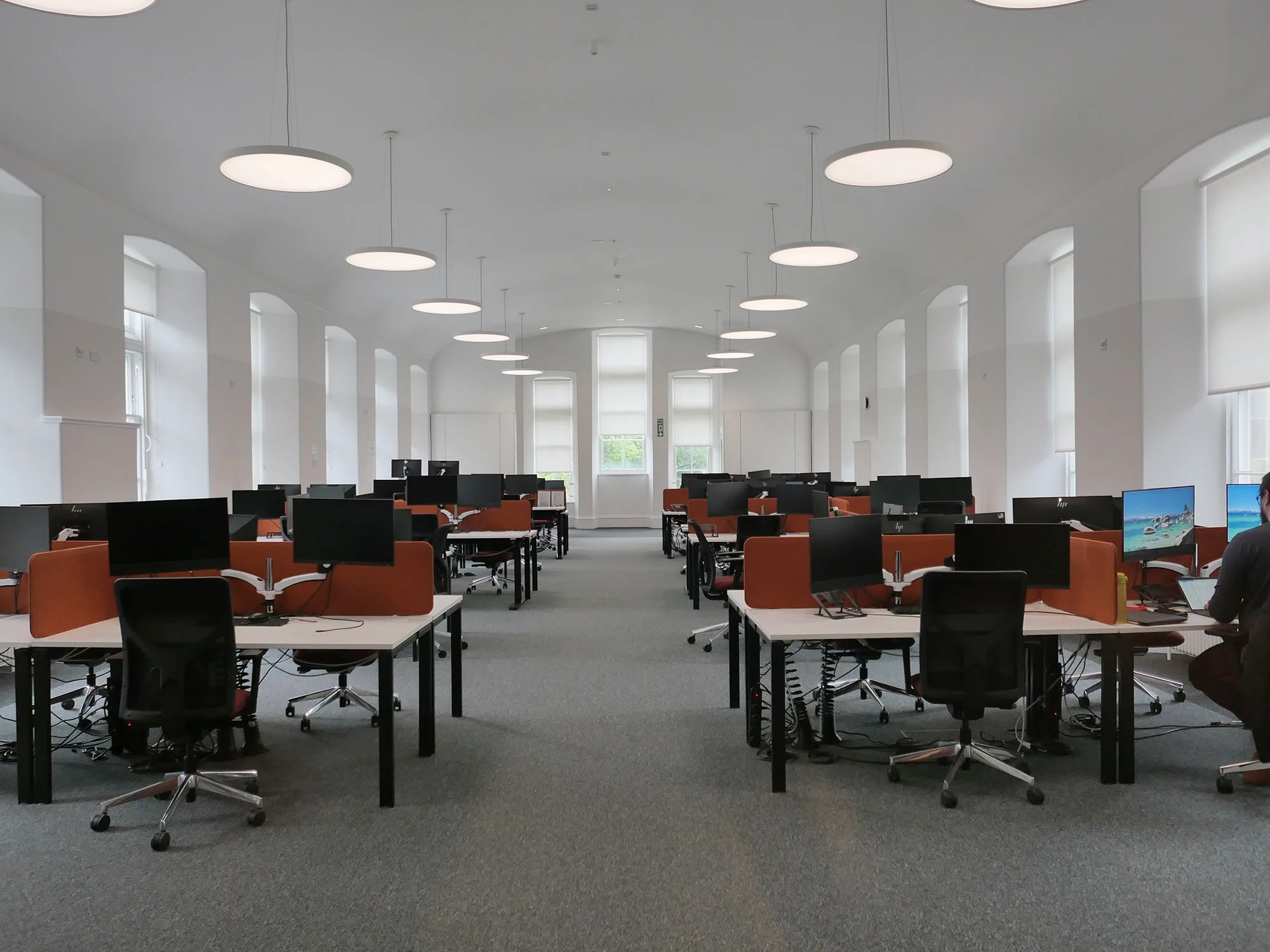
The original hospital was laid out on Florence Nightingale's principles. Long pavilion wards run perpendicular to a central spine, spaced apart and naturally ventilated to slow the spread of infection. Tall ceilings, operable windows and a steady supply of fresh air were not aesthetic choices but clinical ones. Those same qualities are exactly what give the building its light and generosity as a workplace today. As our guide put it, "we can thank Florence Nightingale for these four-metre ceilings." The volume and daylight that once aided recovery now give the institute light, flexible teaching and working spaces, with the full-height wards reinstated after decades of dropped ceilings. It is a clear lesson for anyone repositioning a heritage asset: the qualities that make an old building hard to work with are often the same ones a modern occupier will value most.
An innovative detail that stayed with us on this project however was a quieter one. Rather than running new cabling and services across rooftops and ceilings, where they would have scarred the historic fabric, the team concealed the runs between wings in a new trough dug out beneath an underground walkway that connected them. It is this kind of unglamorous, invisible decision that helped make this a sensitive, innovative conversion. Our own approach to heritage is rigorous and responsive in exactly this way, and it was good to see the principle at work on a building of this scale and ambition.
The long view: Charlotte Square, St Andrew Square and Waverley Gate
The second tour took in the Georgian heart of the New Town, a UNESCO World Heritage Site, and three very different buildings within it.
The Charlotte Square Collection is a full-scale redevelopment of 22 Category A listed buildings around a square designed by Robert Adam in 1791. Its palace-fronted terraces were built in the decades that followed for the lords, ladies and merchants who made it the most prestigious address in the city. By the twentieth century its townhouses housed professionals such as doctors and accountants, often working above their own ground-floor rooms, before office occupiers drifted away to new offices and the terraces generally slipped into a state of disrepair. Over the years since the early 1990’s, the townhouses were quietly acquired, restored and extended, with contemporary auditoriums and amenity spaces inserted behind the historic terraces at a scale not evident from the street. The returns on this long term stewardship are measured in decades rather than quarters, and it makes a persuasive case that heritage and commercial value can pull in the same direction over time.
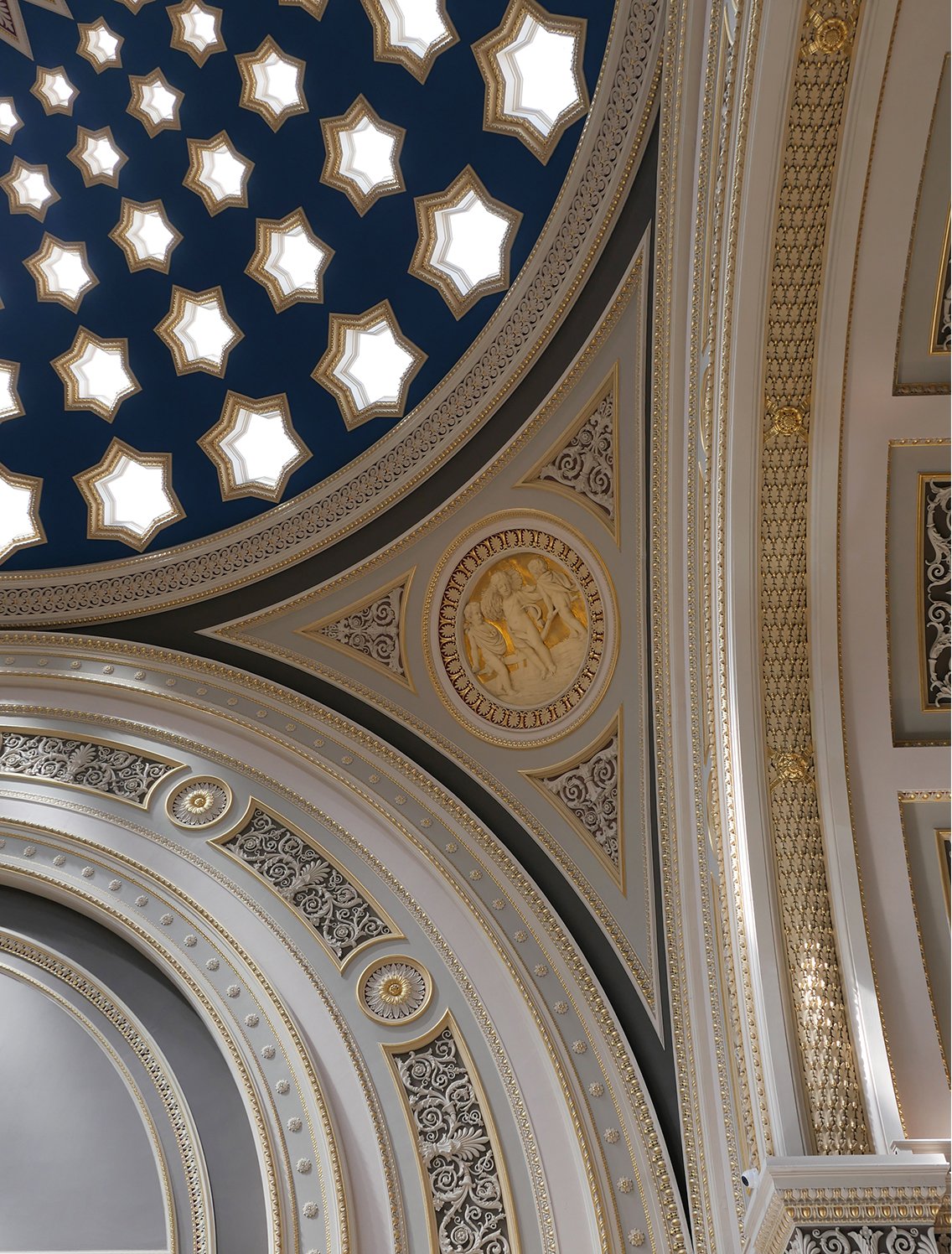
At St Andrew Square, Dundas House offered a striking historical counterpoint. Behind a Palladian mansion of 1774, the Royal Bank of Scotland added a banking hall in 1857 beneath a deep blue dome pierced with gold star-shaped skylights, radiating from a central oculus like a night sky. It is one of the great interiors of the New Town, and a reminder of the ambition Edinburgh has always brought to its commercial buildings.
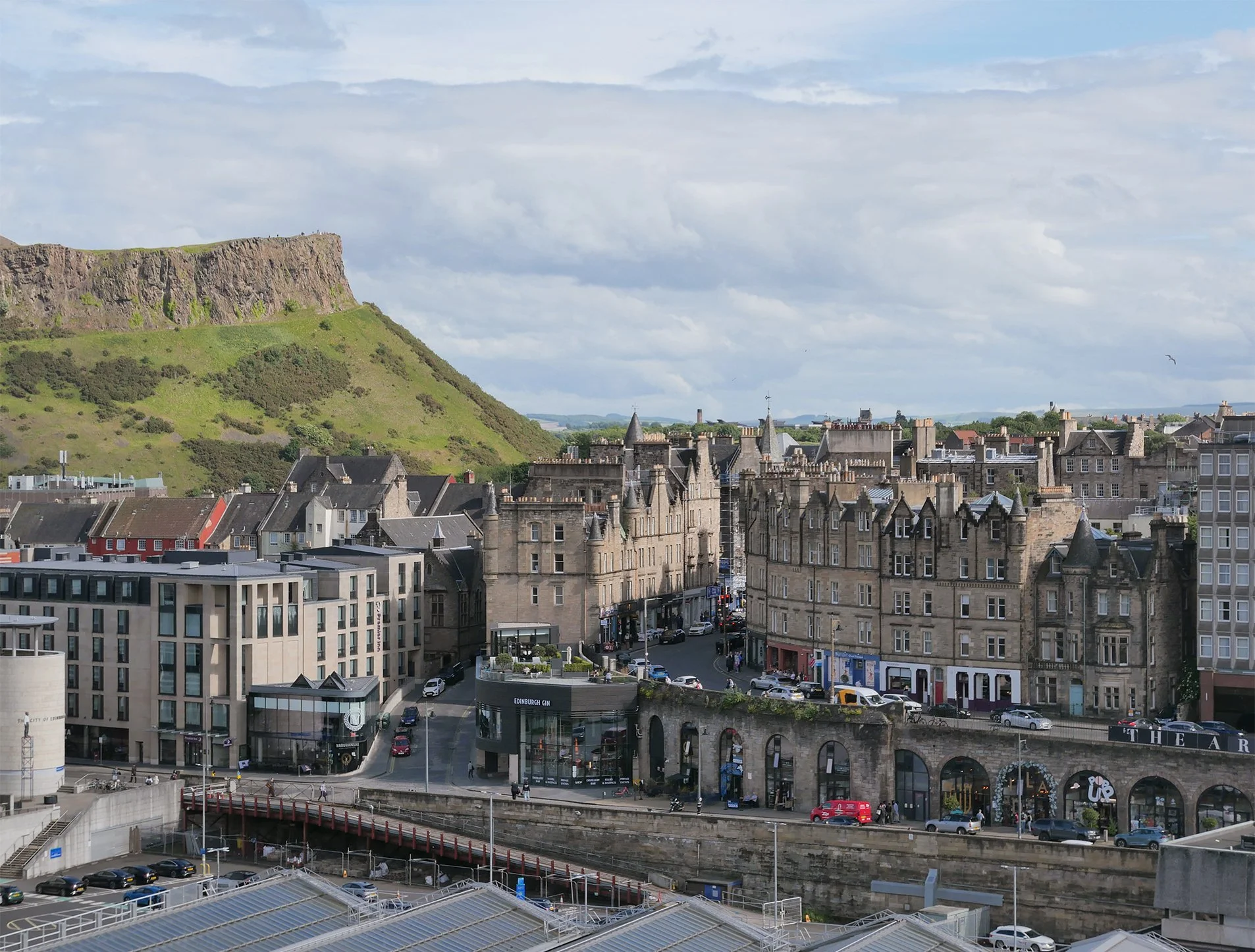
We finished on the rooftop at Waverley Gate, where the conversation turned to how amenity, accessibility, design and user experience converge. With a glass of Scottish fizz in hand, we looked out over the dynamically layered topography of the city. Train tracks, vaults, steeply sloping streets, new buildings, and old buildings are all stack on top of one on top of another so that a ground floor on one side of a building can sit four storeys up on the other.
Wellbeing by design: the focus space revolution
Away from the tours, one workshop stayed with us. "Wellbeing by design: the focus space revolution".
The takeaway we carried home was a subtle but important shift in thinking in the design of workplaces. For years the conversation has been about designing for different types of work, balancing space for focus against space for collaboration. The more interesting question now is how to design for different types of people. Some need complete quiet; some are at their best in bright daylight; some prefer to retreat into darker, calmer corners. A genuinely inclusive workplace offers a range of settings broad enough that different personalities, and not only different tasks, can each find their place.
Even the evenings were spent among heritage buildings. The conference drinks reception was held at Mansfield Traquair, the former Catholic Apostolic Church often called Edinburgh's Sistine Chapel for the soaring murals Phoebe Anna Traquair painted across its walls in the 1890s. The closing party then took over the great glass-roofed Victorian atrium of the National Museum of Scotland. Two more heritage spaces rescued and repurposed, both still earning their keep more than a century on.
That idea sits comfortably with how we work. People come first, and the best heritage projects are the ones that listen closely to the people who will use them. Across two days in Edinburgh, in a hospital turned university, a Georgian square turned modern workplace, a workshop on focus and two evenings spent in elaborate heritage settings, the same thread ran through everything: the most enduring spaces are the ones that honour the past while designing, generously and specifically, for the future.